Ohalo II preserves varied wild-food work.奥哈洛二号保存了多样野生食物活动。
ZHANHISTORYSUPER CLASSROOM
THE AGRICULTURAL REVOLUTION农业革命
G6 · UNIT 1 · CHAPTER 1
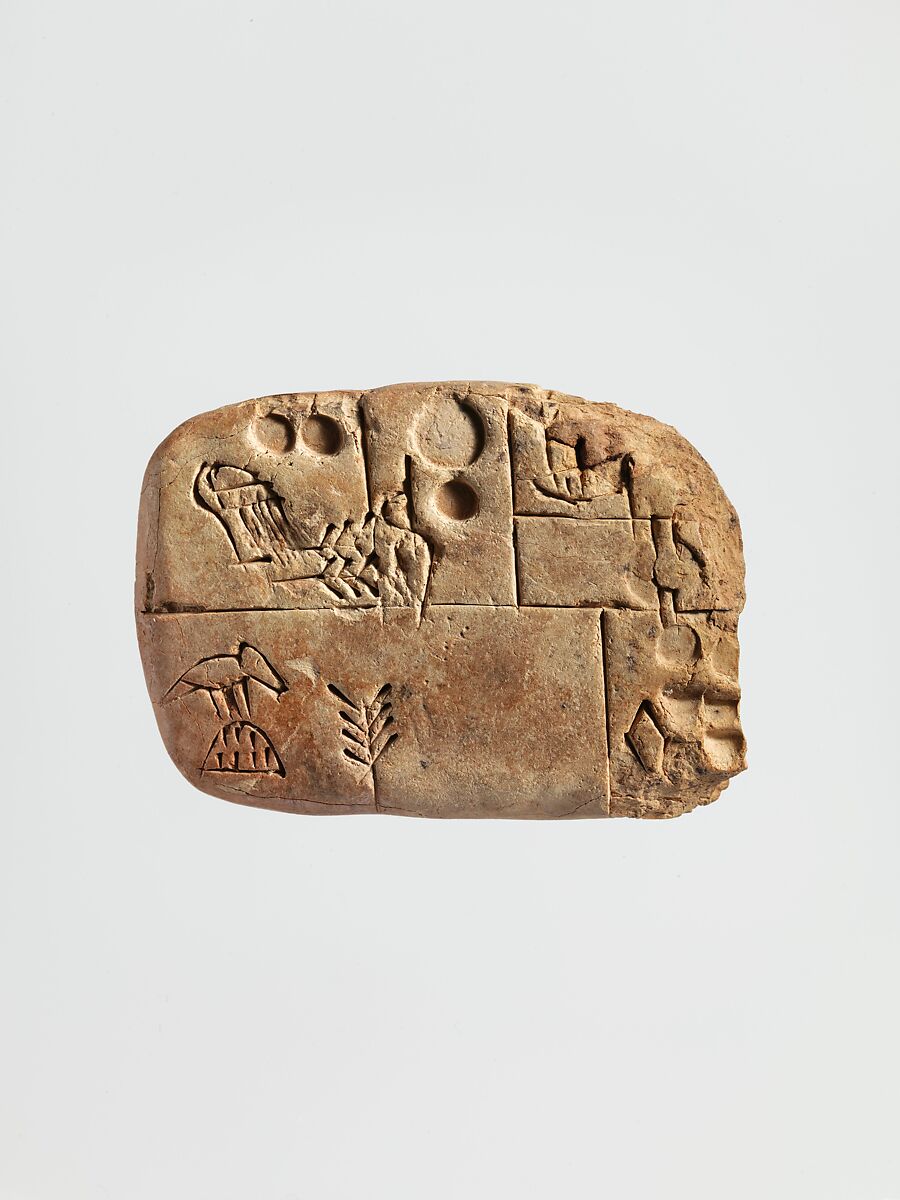
BARLEY & EMMER TABLET · c. 3100–2900 BCE · THE MET · PUBLIC DOMAIN
LESSON MAP · 学习地图
The Younger Dryas increases climate stress.新仙女木期加大气候压力。
Cultivation and animal management expand gradually.栽培与动物管理逐渐扩大。
More communities combine settlement and production.更多社群把定居与生产结合起来。
Ganj Dareh shows herd management.甘吉达雷显示畜群管理。
Çatalhöyük grows as a dense settlement.恰塔霍裕克成长为稠密聚落。
Uruk administrators record grain.乌鲁克行政人员记录粮食。
Big Question本课问题
How did farming change the world?
农业如何改变了世界?
Lesson Thesis本课论点
Farming made food supplies more reliable and created surplus, allowing larger settlements, specialized work, and more complex societies to develop.
农业让食物来源更稳定,并产生剩余粮食,使更大聚落、专门职业和复杂社会逐渐出现。
LESSON TOOLKIT · 课前工具
Vocabulary, questions and thesis frames · 词汇、问题与论点框架
01Core Vocabulary核心词汇+
A person or group that gets food by hunting animals and gathering wild plants.
通过狩猎动物和采集野生植物获取食物的人或群体。
A person or group that moves from place to place without living permanently in one location.
不长期固定住在一个地方,而是随着食物、水源或季节变化迁移的人或群体。
Growing crops and raising animals for food.
种植作物并饲养动物来获取食物。
Extra food or goods beyond what people need to survive.
超过基本生存需要的额外食物或物品。
The long process of changing wild plants and animals through human selection and care.
人类长期选择和照料野生动植物,使它们逐渐更适合种植或饲养的过程。
When people focus on particular jobs or skills instead of everyone doing the same work.
社会成员分别专注于不同工作或技能,不再由所有人从事相同劳动。
02Core Questions核心问题目录+
Core Questions
- How did people live before farming?
- Why did hunter-gatherers move from place to place?
- What changed during the Agricultural Revolution?
- Why was surplus important?
- How did farming help create civilization?
03Timeline时间轴+
Timeline
04Cause-Effect Chain因果链+
Cause-Effect Chain
- hunter-gatherer life → farming creates a more reliable food supply → surplus supports larger settlements and specialized work → complex societies develop
05Exam Thesis Bank核心论点参考+
Exam Thesis Bank
- The Agricultural Revolution changed human life because people began producing food through farming and herding.
- Surplus food allowed some people to specialize in jobs other than farming.
- Farming helped villages grow into communities with rules, leaders, records, and specialized work.
- The move toward farming was gradual, with many small experiments before full farming villages appeared.
SECTION 01 · 第 01 节
Before farming农业以前
Historical Setting
Personal Story
A young gatherer returned to the lakeshore carrying wild grain. Beside one of the brush huts, she poured the seeds onto a flat stone and moved a smaller stone back and forth across them. Nearby, fish bones lay beside a hearth, and another group member repaired a net weight.
The work took time. Seeds had to be collected, cleaned, ground, and cooked. Fish had to be caught and prepared before they spoiled. Everyone in the camp depended on what the group could find nearby and process by hand.
Older gatherers knew which plants were ready in each season and which seeds were worth carrying back. That knowledge could decide whether the evening meal was large enough to share.
Stone blades, baskets, grinding stones, and nets each turned a different wild resource into usable food.
The huts offered shelter, but they were light enough for a community that might not stay forever. When fish, grain, or game became scarce, the families would have to carry their tools and seek food elsewhere.
小故事
一名年轻采集者抱着野生谷物回到湖边。她把种子倒在茅屋旁的一块平石上,再用一块小石头来回碾磨。不远处的火塘旁散落着鱼骨,还有人在修补渔网使用的石坠。
这些食物来得并不轻松。种子要采集、清理、磨碎,再煮熟;鱼捕上来以后,也要尽快处理。营地里的每个人都依靠附近能够找到的食物,也依靠大家共同完成这些工作。
年长的采集者知道每个季节有哪些植物成熟,也知道哪些种子值得带回营地。这些经验会直接影响当天晚上有没有足够的食物分给大家。
石刃、篮子、磨石和渔网各有用途,能把不同的野生资源变成可以食用的食物。
茅屋可以遮风,却不是永久的家。如果附近的鱼、谷物或猎物越来越少,住在这里的人就得带上工具,继续寻找新的食物来源。
Real History
At Ohalo II, on the Sea of Galilee in present-day Israel, archaeologists found six brush huts and hearths. Grinding stones, fish bones, and wild plant remains show that residents gathered, processed, and shared several kinds of food. The camp dates to about 23,000 years ago, long before farming became common. Hunter-gatherer life required knowledge, planning, and shared work.
Further Reading: The Seeds of Civilization: Ohalo II — Public history article, Smithsonian Magazine. Reading focus: Read about the huts, hearths, fish bones, and wild plant remains that reveal daily life at Ohalo II.
真实历史
在今天以色列的加利利海(Sea of Galilee)岸边,考古学家发现了约 23,000 年前的奥哈洛二号遗址。六座茅屋和火塘说明人们曾在这里居住;磨石、鱼骨和野生植物遗存则记录了食物的采集、加工与分享。这个营地出现时,农业尚未普及。狩猎采集生活同样需要经验、安排和共同劳动。
扩展阅读: 文明的种子:奥哈洛二号遗址 — 公共历史专题,史密森尼杂志。阅读重点: 了解奥哈洛二号遗址的棚屋、火塘、鱼骨和野生植物遗存,以及采集者怎样生活。
Core Concepts
- Before farming, people did not produce food; they found food from the natural environment.
- Hunter-gatherer groups depended on animals, wild plants, seasons, and local resources.
- Small, mobile groups were easier to feed when food was limited and hard to store.
- Ohalo II shows hunter-gatherers as skilled food processors who gathered, prepared, and shared wild foods.
SECTION 02 · 第 02 节
Why move?为何移动?
Section 2 - Why did hunter-gatherers move from place to place?
第二问:为什么狩猎采集者会从一个地方迁移到另一个地方?
Abu Hureyra · Younger Dryas阿布胡赖拉 · 新仙女木期
Historical Setting
- Time: c. 20,000-12,000 BCE, before farming became widespread.
- Place: Abu Hureyra, near the Euphrates River in present-day Syria.
- Story Viewpoint: An Abu Hureyra family returns from a longer search with fewer plants.
- Key Background: Wild food sources changed with seasons and climate.
历史定位
- 时间:约公元前 20,000-12,000 年,农业尚未广泛出现。
- 地点:今天叙利亚幼发拉底河附近的阿布胡赖拉(Abu Hureyra)。
- 故事视角:阿布胡赖拉的一户家庭,走得更远,却只带回少量植物。
- 关键背景:野生食物会随着季节和气候改变。
Personal Story
At Abu Hureyra, an early settlement beside the Euphrates in present-day Syria, a foraging family returned with fewer familiar plants. The stands of wild grain were thinning, and the ground beyond the settlement looked drier than before.
The next search would take longer. One group prepared baskets and digging sticks for the riverbank. Another planned to cross the low hills and look for small seeds and plants that needed less rain. They could remain near the settlement only while the surrounding land continued to feed them.
Before leaving, they sorted the food already collected. The best patches could be visited again, but every extra day of walking used energy and carried the group farther from water and shelter.
Small seeds that people once ignored became worth collecting when familiar foods grew harder to find.
That evening, the family spread the day's seeds beside the hearth. The pile was smaller and more mixed than it had been in earlier seasons. At first light, the search parties would leave by different routes and travel farther from the settlement.
小故事
在今天叙利亚境内、幼发拉底河畔的早期定居点阿布胡赖拉,一个采集家庭带回来的熟悉植物比以前少了。附近的野生谷物正在减少,定居点外的土地也比往年更加干燥。
下一次寻找食物,他们必须走得更远。一组人准备带着篮子和挖掘工具到河边寻找植物,另一组人则打算翻过矮山,寻找更能忍受干旱的小种子和野草。只有周围的土地还能提供足够食物时,他们才能继续留在这里。
出发以前,他们还要整理已经采回的食物。食物较多的地点可以再次前往,可是多走一天就要消耗更多体力,也会离水源和住处更远。
熟悉的食物越来越难找时,过去常被忽略的小种子也变得值得采集。
傍晚,一家人把当天采回的种子摊在火塘旁。和以前相比,这堆食物更少,种类也更杂。天亮以后,几支采集队会沿不同方向出发,到离定居点更远的地方继续寻找。
Real History
At Abu Hureyra, near the Euphrates River in present-day Syria, charred plant remains changed as the climate became colder and drier near the end of the Ice Age. People relied less on some familiar wild foods and gathered a wider range of small seeds and tough plants. These pressures pushed people to search farther, change what they ate, or move when a familiar landscape could no longer provide as much.
Further Reading: Abu Hureyra: Tracing the Origins of Agriculture — Archaeology research project, McMaster Archaeological XRF Lab, McMaster University. Reading focus: Look at the site images and read how layers from hunter-gatherers to early farmers record the shift from foraging to farming; notice that the site now lies beneath Lake Assad.
真实历史
阿布胡赖拉位于今天叙利亚的幼发拉底河附近。这里的炭化植物遗存显示,冰河时代末期气候转冷、变干以后,人们采集的植物发生了变化:一些熟悉的野生食物减少,小种子和耐旱植物变多了。这样的环境压力会迫使人们走得更远、改变食物选择,或者迁往新的地方。
扩展阅读: 阿布胡赖拉:追踪农业的起源 — 考古研究项目,麦克马斯特大学考古X射线荧光实验室。阅读重点: 查看遗址图片,了解从狩猎采集到早期农耕的层层遗存怎样记录生活方式的变化;同时留意这处遗址如今已沉在阿萨德湖下。
Core Concepts
- Nomadic movement was often a practical response to changing food and water supplies.
- Hunter-gatherers followed animals, seasonal plants, and safer resource areas.
- Before farming, permanent settlement was difficult because people could not always control their food supply.
- Climate stress could push people to move, experiment, or rely more heavily on certain plants and animals.
SECTION 03 · 第 03 节
Farming begins农业出现
Section 3 - What changed during the Agricultural Revolution?
第三问:农业革命期间发生了什么变化?
Ganj Dareh · Zagros甘吉达雷 · 扎格罗斯
Historical Setting
- Time: c. 10,000-8,000 BCE, after the last Ice Age.
- Place: Ganj Dareh, a village in the Zagros Mountains of present-day Iran.
- Story Viewpoint: A Ganj Dareh herder separates young goats beside a village pen.
- Key Background: Goats were being kept close to village houses, where people could watch and separate them.
历史定位
- 时间:约公元前 10,000-8,000 年,最后一次冰河时代之后。
- 地点:今天伊朗扎格罗斯山区的甘吉达雷(Ganj Dareh)村落。
- 故事视角:甘吉达雷的一名牧人,在村边羊圈分开幼年山羊。
- 关键背景:山羊被留在村庄住宅附近,人们可以看管它们,并把不同的羊分开。
Personal Story
At Ganj Dareh, an early village in the Zagros foothills, a herder stood beside a crowded goat pen. Some young males were separated from the rest of the herd. The females stayed close to the village, where they could produce more young the following season.
This was different from following wild animals and hunting whatever the group could catch. People now had to feed, watch, and choose among the animals. Keeping the herd nearby also meant remaining close to the village for longer periods.
Young goats had to be protected from predators, and births had to be watched. If too many breeding females were killed, the village would have fewer animals in the next season.
Pens also kept dung, hoofprints, and animal bones close to the houses, leaving evidence of this new relationship.
The change did not happen in a single discovery, and these villagers still used wild resources. Yet each decision shaped the herd. Over many generations, people were no longer only hunting goats. They were beginning to manage them.
小故事
在扎格罗斯山麓的早期村落甘吉达雷,一名牧人站在拥挤的羊圈旁。几只幼年公羊被单独赶到一边,母羊则继续留在村落附近,等到下一季繁育更多小羊。
这和追踪野羊、遇到什么就猎取什么很不一样。现在,人们要看守羊群、准备饲料,还要决定哪些羊留下,哪些羊用作食物。羊群留在附近,也意味着人们要更长时间住在村落周围。
幼羊需要防备野兽,母羊生产时也需要照看。如果被宰杀的母羊太多,下一季能够出生的小羊就会减少,整个村落的食物也会受到影响。
羊圈还把粪便、蹄印和动物骨骼集中在房屋附近,为这种新关系留下了痕迹。
农业革命经历了漫长的过程,这里的居民也仍会利用野生资源。不过,一次次选择正在改变羊群。除了猎取野羊,人们也开始管理留在村落附近的山羊。
Real History
At Ganj Dareh, archaeologists studied goat bones from about 10,000 years ago. Many young males had been killed, while more females lived longer. Hunters usually leave a different pattern. This age-and-sex pattern suggests that villagers were choosing which goats to keep for breeding and which to use for meat. The bones preserve a quiet but important change from hunting wild animals to managing a herd.
Further Reading: Ganj Dareh: Early Evidence of Herding — Museum archaeology article, Penn Museum. Reading focus: Examine the goat-bone evidence that archaeologists use to identify early herd management at Ganj Dareh.
真实历史
考古学家研究了甘吉达雷出土的山羊骨骼。这些骨骼距今约 10,000 年,其中许多幼年公羊较早被宰杀,母羊则活得更久。普通狩猎留下的骨骼通常不会呈现这样的年龄和性别组合。这个差别说明,村民可能已经在选择哪些羊留下繁育,哪些羊用作食物。骨骼记录下了从猎取野羊到管理羊群的变化。
扩展阅读: 甘杰达雷:早期畜牧证据 — 博物馆考古专题,宾夕法尼亚大学博物馆。阅读重点: 查看甘吉达雷遗址的山羊骨证据,了解考古学家怎样判断早期畜群管理。
Core Concepts
- The Agricultural Revolution changed how people got food: from finding food to producing food.
- Early farming included both growing crops and raising animals.
- The change happened slowly over time, especially in places with useful plants, animals, water, and warmer climate conditions.
- Early farming grew through shared meals, group labor, and repeated experiments with plants and animals.
SECTION 04 · 第 04 节
Surplus剩余
Historical Setting
- Time: c. 9,000-7,000 BCE, as farming villages became more settled.
- Place: Catalhoyuk, a large farming settlement in present-day Turkey.
- Story Viewpoint: A Catalhoyuk family checks grain stored inside its house.
- Key Background: Stored grain could remain available after the harvest season ended.
历史定位
- 时间:约公元前 9,000-7,000 年,农业村落逐渐稳定。
- 地点:今天土耳其的大型农业聚落恰塔霍裕克(Catalhoyuk)。
- 故事视角:恰塔霍裕克的一户家庭,检查屋内保存的谷物。
- 关键背景:储存起来的谷物可以在收获季结束后继续食用。
Personal Story
Inside a house at Catalhoyuk, a family checked the grain stored in a small side room. The harvest had to last through months when nothing could be gathered from the fields. They kept the grain dry and watched for insects and mice.
Across the settlement, another worker shaped a blade from dark volcanic glass called obsidian. The stone had come from far beyond the village. A household with extra grain could exchange some of it for a sharp blade, a repaired tool, or another useful object.
The houses stood close together and were often entered from the roof. Food, tools, and sleeping spaces shared a few rooms, so dry storage mattered to the whole household.
Rooftops also formed paths between tightly packed homes without ordinary streets.
Extra food did not remove risk. A failed harvest could still bring hunger. But when storage worked, not every person had to spend every day finding food. Some people could devote more time to tools, building, trade, or other skilled work.
小故事
在恰塔霍裕克的一座房屋里,一家人正在检查侧室中储存的谷物。这些粮食必须撑过接下来无法从田地收获食物的几个月。他们要保持储藏空间干燥,还得提防虫子和老鼠。
聚落的另一边,一名工匠正在用黑色的火山玻璃打磨锋利石刃。这种石料叫黑曜石(obsidian),来自很远的地方。如果一个家庭存下了额外谷物,就可以拿出一部分,换取石刃、修好的工具或其他用品。
这里的房屋紧挨在一起,人们常常从屋顶进入。食物、工具和睡觉的地方挤在有限的房间里,因此,干燥的储藏空间对全家都很重要。
在没有普通街道的聚落里,屋顶也成了人们往来于各家之间的通道。
储粮并不能消除风险,收成不好时,人们仍会挨饿。但只要粮食能够保存下来,就不必每个人每天都去寻找食物。有人可以把更多时间用来制作工具、修建房屋或从事交换。
Real History
At Catalhoyuk in present-day Turkey, archaeologists found houses with storage spaces, bins, grain remains, tools, and obsidian from distant sources. The finds do not tell us exactly who traded with whom. They do show that settled households stored food and used materials that had traveled long distances. Surplus made it easier for a community to survive between harvests and support work beyond farming.
Further Reading: Neolithic Site of Catalhoyuk — World Heritage site, UNESCO World Heritage Centre. Reading focus: Explore the house plans, storage spaces, wall art, and materials brought to Catalhoyuk from distant places.
真实历史
在今天土耳其的恰塔霍裕克,考古学家发现了一座座相连的房屋,其中有储藏空间、粮食遗存、工具,以及来自远方的黑曜石。我们无法知道某个家庭究竟和谁交换过物品,但这些发现说明,定居家庭会储存食物,也会使用经过长途流动的材料。剩余食物帮助人们撑过两次收获之间的日子,也让一部分人能够从事农业以外的工作。
扩展阅读: 新石器时代的恰塔霍裕克遗址 — 世界遗产地,联合国教科文组织世界遗产中心。阅读重点: 查看恰塔霍裕克的房屋布局、储藏空间、壁画和从远方运来的材料。
Core Concepts
- Surplus means extra food beyond what people need to survive.
- Surplus could be stored, traded, or used to support people who did not farm every day.
- Extra food made specialization possible because some people could become potters, toolmakers, traders, or leaders.
- Catalhoyuk's storage spaces and obsidian from distant sources point to settled life with stored food, skilled work, and exchange.
SECTION 05 · 第 05 节
Complex society复杂社会
Section 5 - How did farming help create civilization?
Uruk · c. 3100–2900 BCE乌鲁克 · 约公元前 3100—2900 年
Historical Setting
Personal Story
At a storehouse in Uruk, workers carried in baskets of barley. A record keeper pressed the end of a reed into a small piece of wet clay. One sign showed barley. Other marks recorded how much had arrived.
The tablet was small, but the task behind it was not. Grain came from many fields. Rations had to be given to workers, and stored supplies had to last. Memory was no longer enough for a settlement this large.
Another worker carried the finished tablet away to dry. If a later count was wrong, officials could return to the marks instead of depending on several people's memories of the delivery.
Once the clay hardened, the record could outlast the people who had witnessed the exchange.
The record keeper checked the marks before the clay dried. Around him stood storehouses, workshops, temples, and crowded neighborhoods. Farming had supplied the food that helped Uruk grow. Managing that food now required counting, officials, rules, and written records.
小故事
在乌鲁克的一座仓库里,工人们不断送来装满大麦的篮子。一名记录员拿起芦苇,在一小块湿泥上压出记号。一个符号代表大麦,旁边的刻痕记录送来了多少。
泥板很小,背后的工作却很复杂。粮食来自许多田地,还要按时分给工人,并留下一部分继续储存。对于这样大的定居点,只靠人的记忆已经不够了。
另一名工人把写好的泥板拿去晾干。以后如果粮食数量对不上,管理人员可以回来查看这些符号,不必只听几个人回忆当时送来了多少。
泥板一旦变硬,记录保存的时间就可能超过亲眼见证这次交接的人。
泥板变干以前,记录员再次核对上面的符号。他周围有仓库、作坊、神庙和拥挤的住宅。农业提供的食物帮助乌鲁克发展起来,而管理这些粮食,又需要数字、官员、规则和文字记录。
Real History
At Uruk in southern Mesopotamia, some of the earliest clay tablets appeared around 3300-3000 BCE. Many recorded grain, rations, animals, workers, and deliveries with signs and numbers. Archaeologists have found thousands of these practical records. They match the storehouse scene because early writing grew partly from the need to count goods and organize labor in a large, complex settlement.
Further Reading: Proto-Cuneiform Tablet Recording Grain — Museum object, The Metropolitan Museum of Art. Reading focus: View an early clay tablet and identify the signs and numbers used to record barley distribution.
真实历史
在南部美索不达米亚的乌鲁克,约公元前 3300-3000 年出现了一批早期泥板(clay tablets)。许多泥板用符号和数字记录谷物、口粮、牲畜、工人和交付数量。考古学家已经发现了数千块这样的实用记录。它们与故事中的仓库场景相连:大型定居点需要清点物品、分配粮食并组织劳动,早期文字正是在这些实际需求中发展起来的。
扩展阅读: 记录谷物的原始楔形文字泥板 — 博物馆藏品,大都会艺术博物馆。阅读重点: 查看一块早期泥板,辨认记录大麦分配的图形符号与数字。
Core Concepts
- Farming supported permanent settlements because people could produce more reliable food in one place.
- Surplus allowed specialization, which made communities more complex.
- Larger villages needed rules, leaders, storage systems, and organization.
- Civilization developed through a chain of changes, not from farming alone in one moment.
- Early Mesopotamian tablets began with practical counting: grain, animals, rations, and labor.
FIVE SECTIONS · ONE CAUSAL QUESTION · 五个 Section · 一条因果问题
Farming changed society through a chain of connected steps.
农业通过一连串相互连接的变化改变社会。LESSON HOMEWORK · 本课作业
Turn the lesson into evidence, comparison, and argument.
把本课知识转化为证据、比较与论点5 Sections not yet completed.还有 5 个 Section 尚未完成。
You may continue now, but the homework can include material you have not reviewed. · 你可以提前继续,但作业可能涉及尚未复习的内容。
©Copyright · 版权所有Open the copyright notice and citation information · 点击查看版权与引用方式+
版权所有 / Copyright
Author: Monu Zhan (Dr. Zhan's AP History/ Dr. Zhan's BASIS History)
Copyright Notice: The textual creation, knowledge organization, source integration, question design, and framework design of this handout and all accompanying materials are original compilations. They are for internal study by students enrolled in this course only. Without the author's written consent, they may not be copied, distributed, dismantled, or used for online sales, institutional lesson-preparation sharing, any other commercial profit-making activities, or pirated distribution.
Citation: Please cite as "Dr. Zhan's Original History Materials."
作者: 詹墨奴(詹博士AP历史奇谈 / 詹博士讲贝赛思历史)
版权声明: 本讲义与所有配套材料的文字创作、知识梳理、史料整合、题目编排、框架设计均为原创整理。仅限本课程学员内部学习使用。未经作者书面同意,不得复制、传播、拆解用于线上售卖、机构备课共享等其他任何商业盈利行为或盗版传播行为。
引用请标注: 詹博士历史原创
版权所有 / Copyright
Author: Monu Zhan (Dr. Zhan's AP History/ Dr. Zhan's BASIS History)
Copyright Notice: The textual creation, knowledge organization, source integration, question design, and framework design of this handout and all accompanying materials are original compilations. They are for internal study by students enrolled in this course only. Without the author's written consent, they may not be copied, distributed, dismantled, or used for online sales, institutional lesson-preparation sharing, any other commercial profit-making activities, or pirated distribution.
Citation: Please cite as "Dr. Zhan's Original History Materials."
作者: 詹墨奴(詹博士AP历史奇谈 / 詹博士讲贝赛思历史)
版权声明: 本讲义与所有配套材料的文字创作、知识梳理、史料整合、题目编排、框架设计均为原创整理。仅限本课程学员内部学习使用。未经作者书面同意,不得复制、传播、拆解用于线上售卖、机构备课共享等其他任何商业盈利行为或盗版传播行为。
引用请标注: 詹博士历史原创
 微信号: zhanhistory